


Food Photography Tips: How to Take Aesthetic Food Pictures
- sutithi5
- Jul 8
- 5 min read
Updated: Jul 8

The aroma of a delicious meal, the sizzling of dishes, and the visual aura of food ensnare our senses, making us crave these delights! While the sensory appeal of food can tempt foodies, it can also invoke a passion for food photography.
Aesthetics are of high value in this genre, and failing to tempt the viewer is not an option! So, what is it that makes food visuals turn out so delicious?
This blog is here to walk you through the essential food photography tips that will help you aim in the right direction and come up with food clicks that will be irresistible to match with! So, let’s begin….
What is Food Photography?

Food photography, a branch of photography, makes food steal all the attention with its sumptuous vibe and irresistible looks! In real life, delicious food makes us crave, no doubt, but where lies the Muse of our instant hunger pangs?
Just a glimpse of a tempting bowl of ramen or a cheesy pizza on Instagram, and we’re drooling all over! Food photography is a visual appetizing treat, for us, but for photographers, there’s a lot more behind the scenes! While the food stylist prepares the table, the food photographer records the aesthetics!
A food photographer must dive into the details for the photos to be striking enough! With food photography skills, you can also become an influencer!
Essential Tips for Food Photography
Food photography combines art with technical wisdom to create photos rich in detail, aesthetics and practice! If you’re adding visual flavors to your food photography for a blog, social media or a campaign, these essential tips for food photography will save your day:
1. Use Natural Light Whenever Possible

To create magic with food texture and color, natural light is recommended. Artificial lighting such as overhead bulbs, camera flash or direct LED can make the picture shadowy and full of glare, making the food appear boring.
Ensure the ingredients are all fresh to make their colors pop, organizing the space and don’t overstuff the plate. A food stylist can come to the rescue, but if you are ready for self-help, garnishing will boost the visual quality and make the picture complete.
Props add an extra charm to photos through visual storytelling, and in photography food setups, utensils, glasses, or napkins can make the picture realistic and relatable to the viewer, helping them enjoy the meal with just a glimpse.
2. Choose the Right Angle
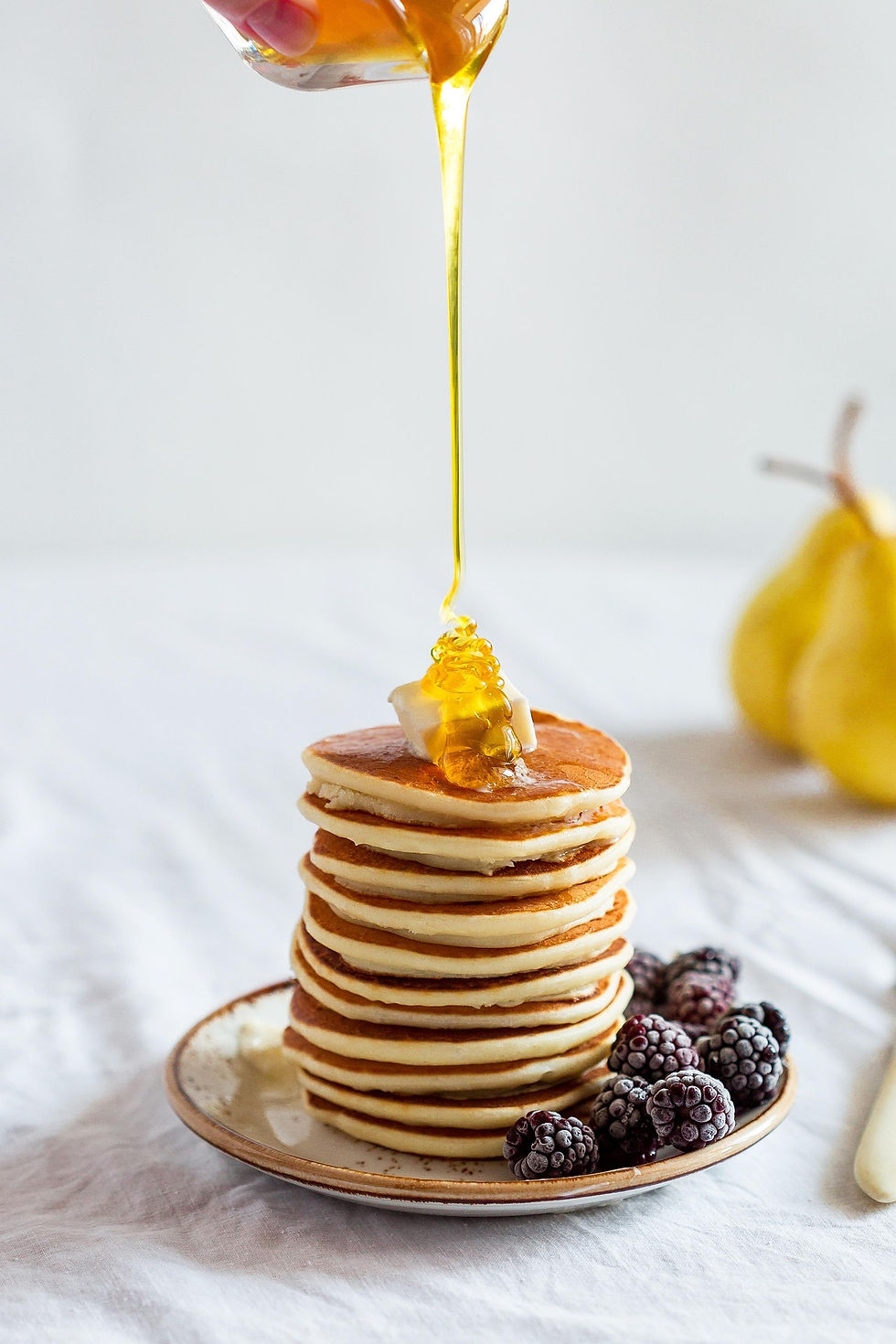
For food to look appetizing, we enjoy snapping it from different angles. When it’s a pizza, we know that overhead shots will appear interesting, and for burgers, side angles can make magic!
When it comes to a flattering viewpoint, observation, experimentation, and photographic wisdom—these three qualities can help you make the right choice! A 45-degree angle works best when your food comes with layers like desserts, cakes, pancakes or lasagna.
This is particularly effective in dessert photography, where visual layers and textures must stand out to create that mouth-watering shot.
3. Focus on Composition
Composition in food photography guides a photographer and explains the what, where and how of an image! So, it's all about asking yourself three questions:
What to include?
Where to place it?
How to guide the viewer’s eye to the subject?
The Rule of Thirds is the ultimate principle you need while aiming for natural-looking images that are visually engaging. A slice of cake or a bowl of pasta, positioned in the intersecting points of a camera, can become visually attractive.
Adding props along the lines creates a balanced picture that is clutter-free and is comfortable to your gaze. Do remember that the food is the ultimate showstopper, and other elements like props and backgrounds should complement and not compete with the dish. If you’re learning how to photograph food, mastering composition is crucial.
4. Pay Attention to Food Styling

Food styling adds glitter (not literally or perhaps) to the dishes, making them look fresh and tempting. Spraying fruits or veggies with a combo of water and glycerin features their freshness while white glue highlights the cheesy pull of pizza.
Food coloring can also make the food pop out, but these are just tricks more than tips for food photography, ready to spotlight your delicacies! Overloading the plate can turn messy, and so it's advisable to fashion your food in a way that looks authentic and realistic.
This matters especially in professional food photography, where authenticity and presentation must work in harmony.
5. Mind the Background and Surface
A neutral background or a surface can do wonders to a photograph, but too much of details or patterns can overshadow the real subject. Using contrasting textures and colors mostly works out in food photography, adding sensory vibes and appeal to the photos.
Overall, focus on creating a clean and cohesive image so that the end result turns out not only tempting but also presentable. Whether you’re into restaurant photography or capturing homemade dishes, clean backgrounds enhance the dish itself.
6. Use a Tripod for Sharpness
Aiming for exact framing and repeatable shots? Want crisp photos, consistent sharpness and clarity? For that perfect, steady image, in low-light scenarios or during slow shutter moments, a tripod is of immense help!
It can not only amplify your convenience but also serve you with images free from blur! This is essential for those looking into how to take pictures of food that are sharp and Instagram-ready!
7. Edit Thoughtfully

Garnishing food in photography is as vital as adding some shimmer to your photos! Tweak brightness, contrast and white balance so that the final image outshines all expectations, making the food alluring. Editing tools take off the distractions from the picture and are perfect for enhancing the texture.
To make the aesthetic food pictures pleasing, a consistent style can make them worthy of attention! Adding too much glamour will only spoil the images rather than elevate the style. So, subtle and careful edits are the bonus that adds a layer of precision and enhancement to the original snapshot!
8. Practice and Be Patient
Learning the art of photography takes skill and dedicated hours to achieve perfection! Daily practice is essential for understanding how lighting, angles and styling work. Chase perfection, and you’ll end up spoiling the image.
With a slow and steady pace, experimentation and exploration will turn out to be a productive adventure in food photography. Patience and consistency can go a long way in giving you that perfect food snapshot you've ever dreamed of.
Conclusion
Food photography tips are a blend of storytelling and sensory detail, where light paints the ingredients and textures become the language. From a slice of pizza, a bowl of pasta, to cakes and desserts, each photo has the power to evoke appetite and emotion.
By embracing natural light, smart composition, styling finesse, and subtle editing, you transform food into art. Let every click celebrate color, contrast, and character.
Remember, tips for food photography, patience in plating, precision in setup, and passion in practice are your secret ingredients. Keep capturing your cravings, because the best food photos don’t just feed the eye—they feed the soul.
